The Evening Walks That Inspired ZEZT
A personal story about evening walks, independent restaurants, and the idea that became a smarter way to connect diners, venues and local communities.
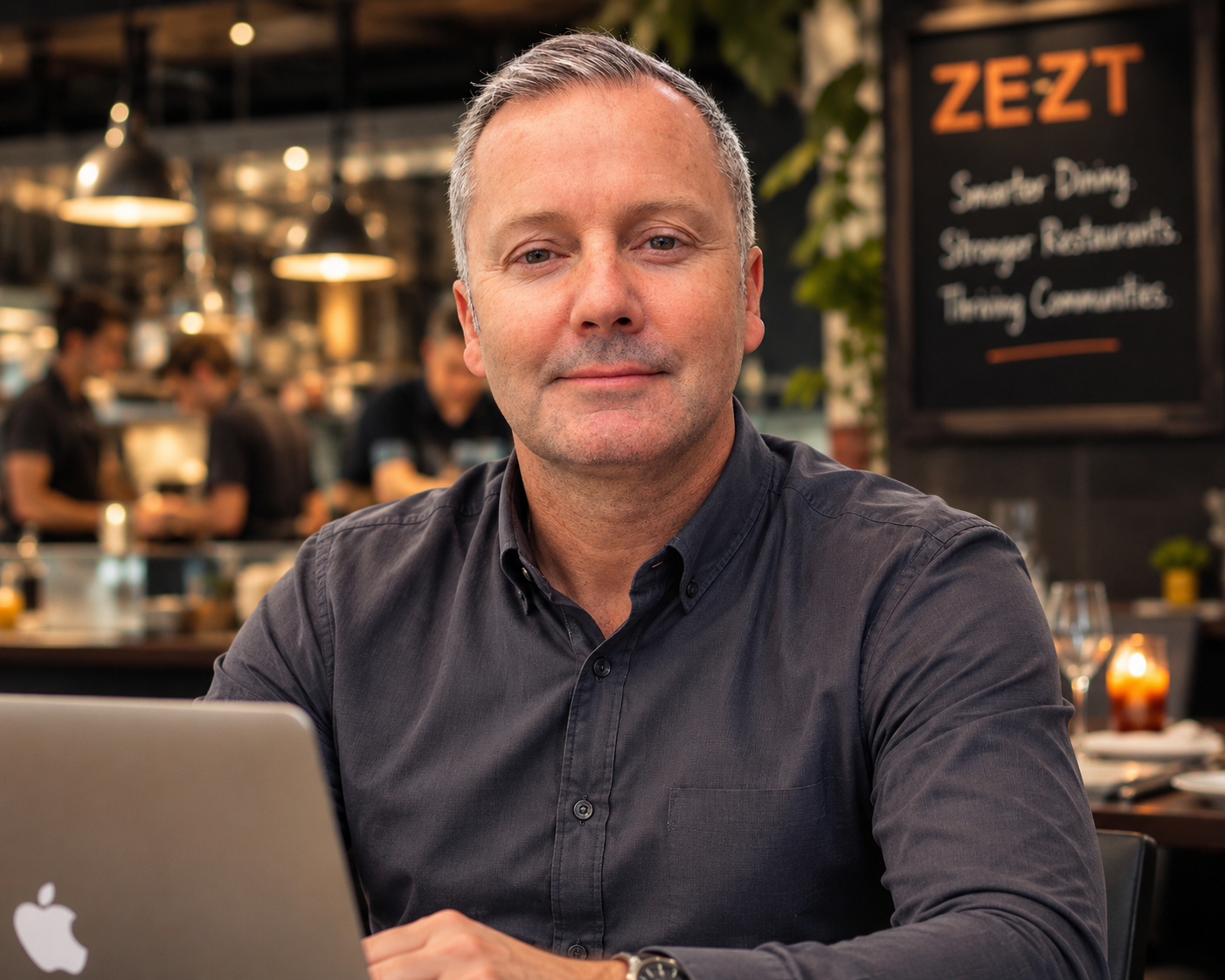
Most startup ideas don't arrive in a boardroom. ZEZT certainly didn't. The idea began during evening walks through my local town. Particularly during the colder months. Midweek. Midwinter. Around 7 pm.
The high street would still have life. People were walking home from work. Cars were moving through town. Lights were on in the restaurants. Yet when I looked through the windows, something didn't add up.
Many of the restaurants were only half full. Some were nearly empty. These weren't bad businesses. Far from it.
Many were independent venues built by owners who had invested their life savings, years of effort, and countless hours of hard work into creating something special.
-
The food was excellent.
-
The service was friendly.
-
The hygiene ratings were five stars.
-
The prices were reasonable.
-
The atmosphere was welcoming.
-
They had websites.
-
They had social media pages.
-
They advertised where they could.
-
Many had loyal customers and strong word-of-mouth reputations.
Yet the tables remained empty. And I kept asking myself the same question. Where are the customers?
A Visibility Problem, Not A Quality Problem
What struck me most was that many of these restaurants weren't failing because they offered a poor experience. They were struggling because visibility and demand rarely arrive at the same moment. A restaurant might have twenty available tables on a Wednesday evening. Hundreds of potential diners might be within a mile of the venue. Yet the two never connect.
-
The restaurant doesn't know who is looking.
-
The diner doesn't know what's available.
-
Both sides miss the opportunity.
The more I observed this, the more obvious the problem became. Hospitality doesn't have a food problem. It often has a discovery problem.
The Problem With The A-Board
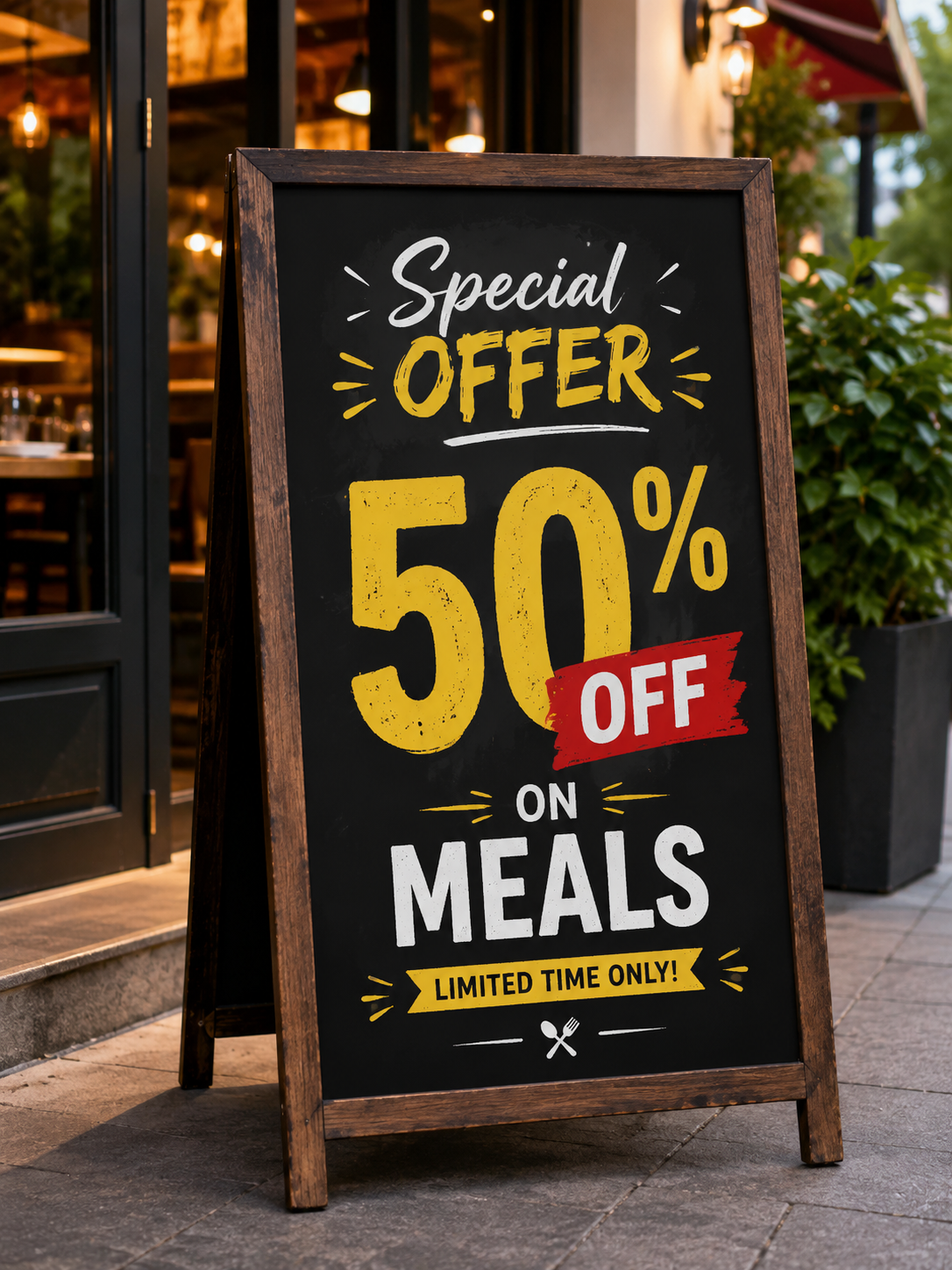
Occasionally, I would see a restaurant place an A-board outside.
"50% OFF TONIGHT."
"2 FOR 1 MEALS."
"HALF PRICE AFTER 6 PM."
I understood why.
The owners were trying to create demand. But it always felt like an imperfect solution. Not because discounts are wrong. Because blanket discounts often feel desperate rather than strategic. A restaurant may only need to fill five extra tables. Instead, it discounts every table. Customers who would have paid full price receive the discount as well.
Margins shrink. The brand can suffer. And the promotion often reaches only the people walking past the venue.
There had to be a better way.
What If Local Dining Worked Like A Marketplace?
That question stayed with me. What if restaurants could create targeted opportunities instead of blanket discounts?
What if diners could discover those opportunities in real time? What if every town had a living marketplace for food and hospitality?
Imagine a town with ten independent restaurants. Each venue has different quiet periods. Different cuisines. Different audiences. Different capacity challenges. One restaurant may need diners between 5 pm and 6 pm. Another may need help after 8 pm. A third may simply want to attract new customers who have never visited before.
Instead of shouting into the void, restaurants could create offers that match their exact objectives. Not desperate discounts.
Smart promotions. Controlled promotions. Profitable promotions.
Where AI Fits In
This is where the idea evolved beyond a marketplace. Because modern technology allows us to understand far more than simply whether tables are available. We can understand context.
-
Weather.
-
Local events.
-
Footfall patterns.
-
Traffic conditions.
-
Time of day.
-
Seasonality.
-
Consumer behaviour.
-
Availability.
-
Demand signals.
The goal isn't for AI to replace hospitality. The goal is for AI to support it. Imagine an intelligent system that helps restaurants understand:
- When demand may be weaker.
- When extra capacity is likely.
- Which promotions may work best.
- What level of offer protects profitability.
- When opportunities are likely to emerge.
The restaurant still makes the decision. The technology simply provides better information.
More Than Filling Tables
Over time, I realised this wasn't just about restaurants. It's about communities. A busy high street creates energy. Restaurants bring people together.
-
They create jobs.
-
They support local suppliers.
-
They encourage people to spend time in town centres.
-
They make places feel alive.
When restaurants thrive, communities often thrive with them. The alternative is a future where more venues disappear, fewer people visit town centres, and dining becomes increasingly detached from local life.
Food delivered from anonymous kitchens may be convenient. But it doesn't replace the atmosphere of a bustling restaurant. It doesn't replace the conversations or
-
The celebrations.
-
The first dates.
-
The family gatherings.
-
The sense of community.
Why We Created ZEZT
ZEZT was born from a simple observation. Good restaurants shouldn't struggle simply because the right diners never discover them at the right moment. Technology should help connect local demand with local hospitality.
Restaurants should have better tools. Diners should have better discovery. Communities should benefit from both.
Those evening walks showed me something important. The customers are there. The restaurants are often ready. The challenge is bringing them together.
That's the problem ZEZT was created to solve.
Paul Holmes.
Founder ZEZTAI
Comments