Why Restaurants Still Struggle With Empty Tables in 2026
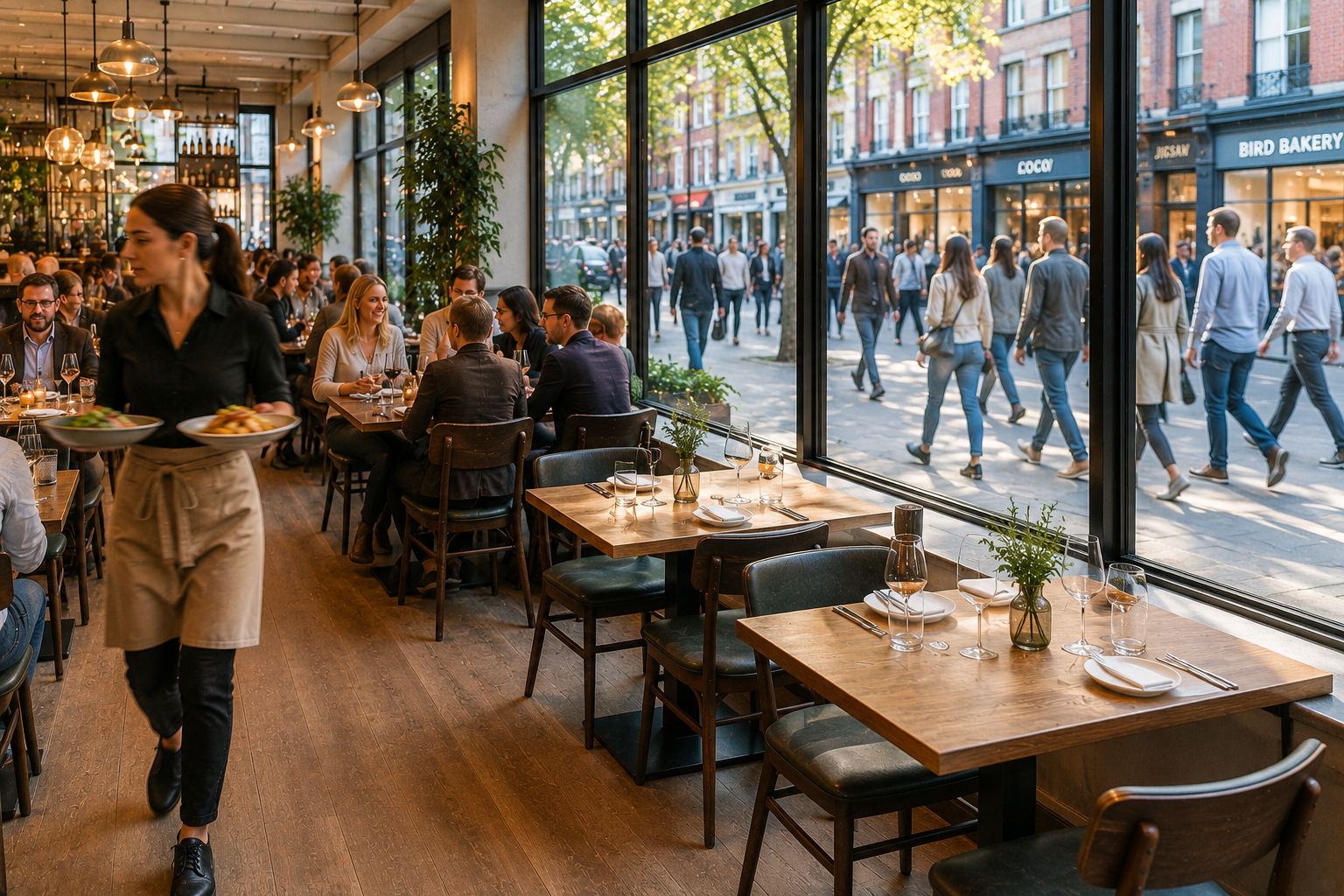
Walk through any town or city on, let's say, a Tuesday evening and you'll probably see the same thing. Some restaurants are bustling with diners, while others, perhaps just a few doors away, sit half-empty. It's a problem that's existed for decades, yet in 2026 it remains one of the hospitality industry's biggest challenges.
This might seem surprising. Restaurants now have access to online reservations, social media, digital advertising, customer relationship tools and a growing range of hospitality technology. Diners can discover restaurants in seconds, compare reviews instantly and book tables with just a few taps. Yet empty tables remain stubbornly common.
The reality is that most restaurants don't have a food problem. They don't have a service problem. They often don't even have a marketing problem. They have a demand-matching problem.
Getting the right diners into the right restaurant at the right time remains incredibly difficult, particularly during quieter periods when every additional cover matters.
The Cost of Empty Tables Is Higher Than Many Operators Realise
An empty table is more than just an unused seat.
Every restaurant carries high fixed costs. Rent, business rates, utilities, staffing, insurance and countless other expenses continue regardless of how many customers walk through the door.
Whether a venue serves twenty diners or two hundred diners, many of those costs remain unchanged. That means every empty table represents potential revenue that can never be recovered.
Unlike retailers, restaurants are dealing with highly perishable inventory. A seat that remains empty at 6 pm tonight cannot be sold tomorrow. Once that opportunity has passed, it has gone forever.
For independent operators in particular, even a handful of additional covers per day can make a meaningful difference to monthly profitability.
Consumer Dining Habits Have Changed Dramatically
One of the biggest reasons restaurants continue to struggle with occupancy is that consumer behaviour has evolved. Many diners no longer plan meals weeks in advance.
Instead, they make decisions much closer to the point of purchase. They check their phones, browse local options and decide where to eat based on convenience, availability, value and mood. Flexible working has accelerated this trend.
Traditional lunch and dinner patterns have become less predictable as more people split their time between home and the office. Areas that once relied on predictable weekday footfall may now experience significant fluctuations from one day to the next.
At the same time, consumers have more choice than ever before. Restaurants are competing not only with other restaurants but also with delivery platforms, meal kits, supermarkets, entertainment venues and home cooking.
Capturing attention has become harder. Converting attention into bookings has become even harder.
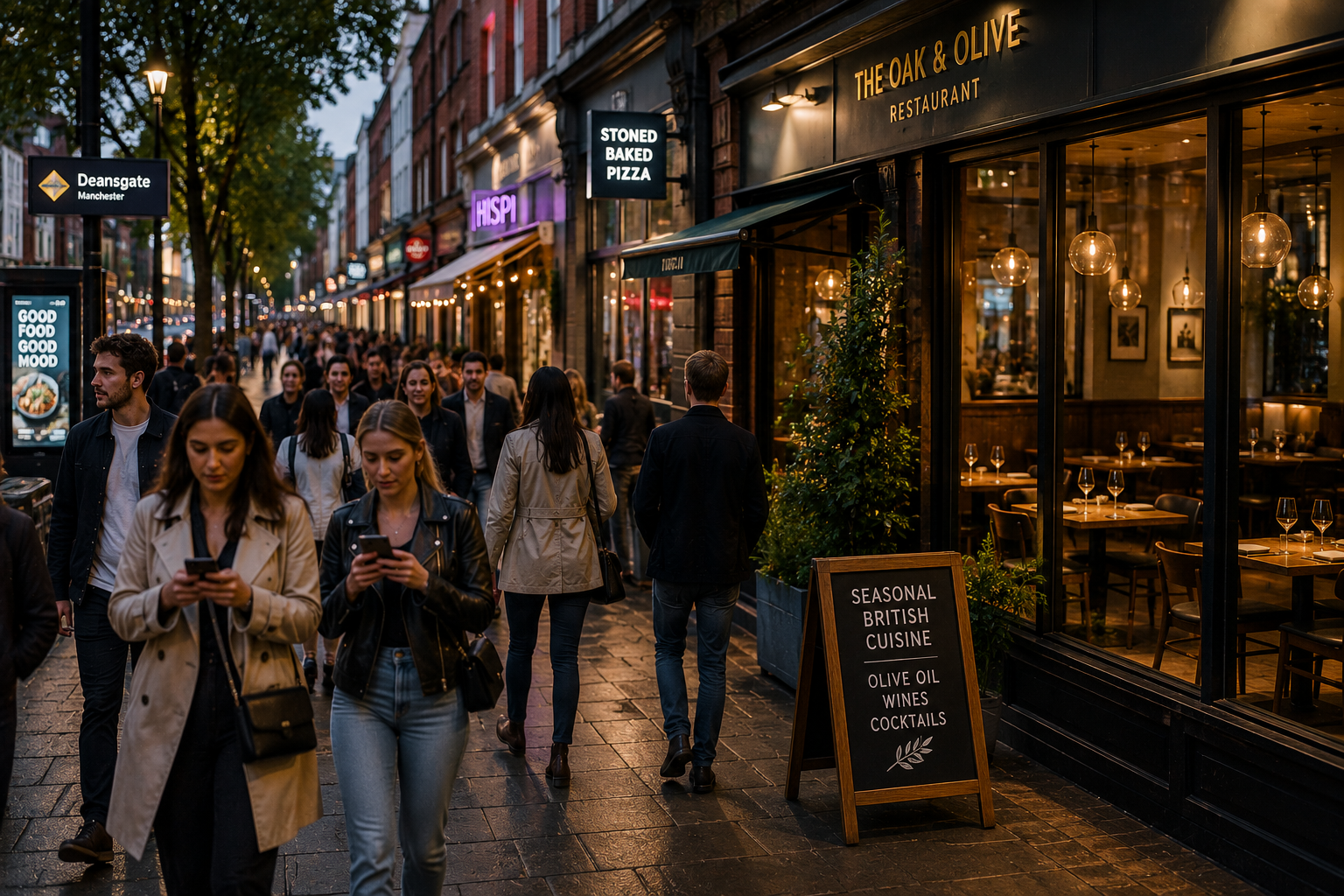
No-Shows and Last-Minute Cancellations Continue to Hurt Operators
Ask almost any restaurant owner about their biggest frustrations and no-shows will likely feature near the top of the list. A fully booked restaurant can quickly become a half-empty restaurant if guests fail to arrive. Even when venues operate reservation systems, cancellations and no-shows can create gaps that are difficult to fill at short notice.
The impact extends beyond lost revenue. Restaurants often schedule staff, manage inventory and prepare service based on expected demand. When bookings disappear unexpectedly, operational efficiency suffers too.
While deposits and booking guarantees can help reduce the problem, they rarely eliminate it entirely. The challenge remains the same: how do restaurants replace those lost covers quickly enough to make a difference?
Traditional Restaurant Marketing Often Misses the Moment
Most restaurant marketing is designed to build awareness rather than fill immediate availability. Social media posts may reach thousands of people, but that doesn't necessarily mean they reach somebody looking for a table tonight.
Email campaigns can generate engagement, but they often arrive too early, too late, or simply get lost in crowded inboxes. Many venues also fall into the trap of running broad discount campaigns without clear targeting.
The result is frequently reduced margins rather than increased profitability. The issue isn't always the promotion itself. It's timing.
A restaurant with available tables between 5 pm and 7 pm today doesn't necessarily need more brand awareness. It needs visibility among diners who are actively looking for somewhere to eat right now.
The Visibility Problem Restaurants Rarely Discuss
Many restaurant websites and marketing campaigns focus heavily on menus, interiors and brand stories. While these are important, diners often have a simpler question: "Can I eat there tonight?"
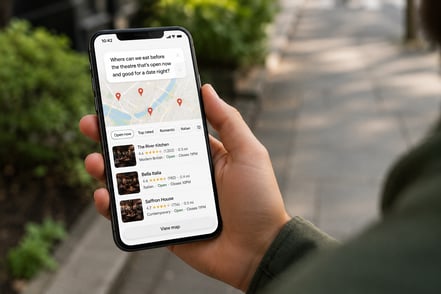
Availability is becoming a competitive advantage. Modern consumers expect real-time information. They want to know what's available, what offers exist, how far away the venue is, and whether it fits their plans.
Restaurants may have capacity sitting unused while potential customers nearby remain completely unaware those tables exist. This visibility gap continues to be one of the most overlooked challenges in hospitality.
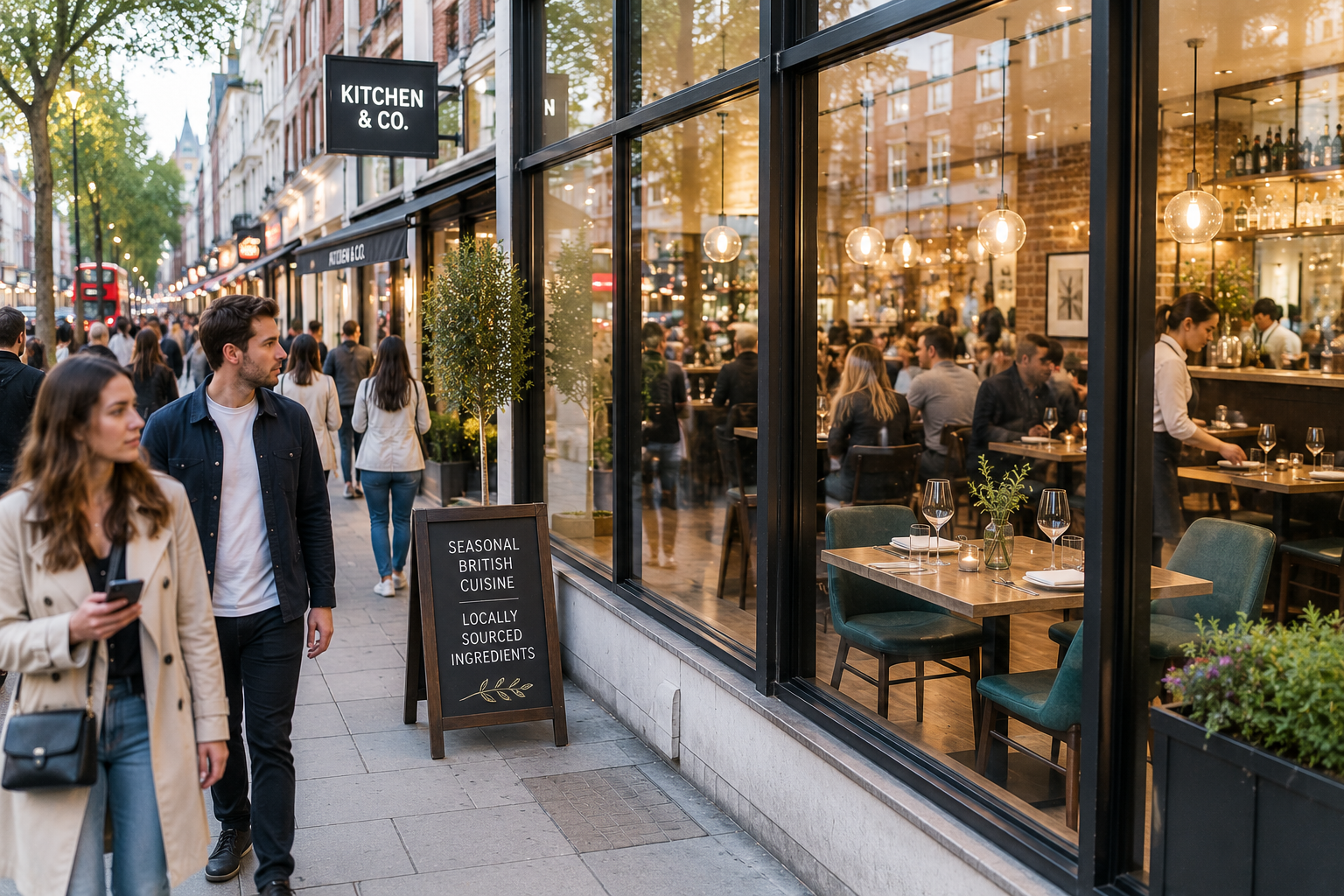
External Factors Create Constant Demand Fluctuations
Restaurant demand is influenced by far more variables than many people realise. Weather can significantly alter dining behaviour.
-
A sunny evening may encourage spontaneous dining and outdoor seating. Heavy rain may reduce footfall entirely in some locations.
-
Local events can create sudden surges in demand.
-
Concerts, sporting events, festivals and seasonal celebrations all impact consumer movement patterns.
-
Traffic conditions, public transport disruptions and even payday cycles can influence whether diners decide to eat out.
The challenge is that these factors rarely operate in isolation. Instead, they combine to create complex demand patterns that are difficult for operators to predict using experience alone.
The Hospitality Industry Has a Demand Prediction Problem
Restaurant operators have always relied on experience and intuition. That experience remains incredibly valuable. However, the number of variables influencing demand continues to increase.
Weather patterns, local events, traffic conditions, footfall trends, booking behaviour and changing consumer preferences all contribute to occupancy levels.
No individual operator can realistically monitor every signal at all times. This is where hospitality technology is beginning to evolve. Rather than simply processing reservations, modern platforms are increasingly focused on helping venues understand and predict demand before it happens.
The goal isn't to replace human decision-making. It's to support better decisions using better information.
Turning Empty Tables Into Opportunities
The restaurants that consistently maximise occupancy are often those that become more proactive in how they manage demand. Rather than waiting for customers to arrive, they actively identify quieter periods and create targeted opportunities to attract diners.
This might involve:
- Time-sensitive offers
- Location-based promotions
- Last-minute availability campaigns
- Dynamic pricing strategies
- Better use of customer and demand data
The objective is simple. Connect available tables with nearby diners who are most likely to book. When done effectively, restaurants can increase occupancy without resorting to blanket discounting or expensive marketing campaigns.
The Future of Hospitality Is More Dynamic
The hospitality industry is moving away from static marketing and toward real-time demand management. Consumers increasingly expect personalised experiences, instant availability and relevant recommendations. Restaurants, meanwhile, need tools that help them respond quickly to changing market conditions.
This is where data, automation and hospitality intelligence are likely to play a growing role over the coming years. The ability to understand demand patterns, identify opportunities and react in real time may become just as important as food quality, service and location.
Conclusion
Empty tables remain one of the hospitality industry's most persistent challenges because the underlying problem is more complex than many people realise. Changing consumer behaviour, no-shows, fluctuating demand, ineffective marketing and limited visibility all contribute to underutilised capacity.
The good news is that restaurants now have access to more information than ever before. The challenge is turning that information into action.
As hospitality continues to evolve, the venues that thrive are likely to be those that can better understand demand, respond to changing conditions and connect with diners at exactly the right moment. Because in 2026, filling tables isn't just about attracting more customers. It's about matching demand with opportunity more intelligently than ever before.
Paul Holmes
Founder: ZEZTAI
Comments